Used Fortnite for Mac?
Editors’ Review
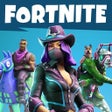
Fortnite is a free-to-play action platform that combines multiple game types within a single application. Its core structure includes Battle Royale, where large groups compete in match-based survival rounds, alongside a growing collection of activities accessed through a shared hub.
Top Recommended Alternative

Fortnite also includes Creative, which provides tools for building custom islands, rule sets, and gameplay systems. Additional modes such as LEGO Fortnite, Rocket Racing, and Fortnite Festival operate as separate experiences while sharing progression systems and account features. Content is organized through island discovery tools, creator publishing systems, event integrations, and rotating activity selections that continually expand the available catalog.
Fortnite's Battle Royale framework centers on map-based matches that combine exploration, combat, item collection, and dynamic zone mechanics. The game supports both traditional building systems and Zero Build playlists, creating separate rulesets within the same mode. Weapons, vehicles, environmental interactions, and quest systems are integrated into match progression, while ranked play and tournament structures provide additional competitive layers tied to account-based progression and seasonal objectives.
Inside the ecosystem
Beyond competitive modes, Creative Islands allow players and creators to publish custom activities using building tools, scripted devices, and game logic systems. Islands can range from combat arenas to obstacle courses, role-playing spaces, and simulation projects. Discovery menus categorize these creations through searchable listings and curated selections. However, content quality and feature depth can vary significantly between islands because development standards depend on individual creators.
Separate experiences operate alongside community content through dedicated modes. LEGO Fortnite introduces survival and crafting mechanics, Rocket Racing focuses on track-based vehicle competition, and Fortnite Festival centers on rhythm gameplay with licensed music tracks. Shared progression systems connect these activities under a single account structure. At the same time, the growing number of modes, playlists, and island categories can create a crowded interface that requires navigation through multiple menus.
Pros
- Multiple game modes on one platform
- Creative island publishing tools
- Shared progression across activities
- Community-created content ecosystem
Cons
- Inconsistent quality between islands
- Crowded menu structure
- Large volume of activity categories
Bottom Line
Expanding content hub
Fortnite combines Battle Royale competition, creator-built islands, survival systems, racing activities, and rhythm gameplay within a unified platform. Creative tools support the publishing of custom content, while discovery systems organize access to both official and community-developed experiences. It allows many distinct game types to coexist under a single application. However, island quality remains inconsistent because of creator-controlled development, and expanding menus make navigation more complex.
What’s new in version 28.2
- Fortnite continues to expand its ecosystem through updates to Battle Royale, LEGO Fortnite, Rocket Racing, Fortnite Festival, and Creative tools
- New islands, events, quests, cosmetics, and creator features are added through ongoing content releases
- Creative and Unreal Editor for Fortnite (UEFN) tools continue receiving new devices, scripting options, and publishing features
- Discovery and island browsing systems receive regular adjustments to surface official and creator-developed content