Used TideBroker for Mac?
Editors’ Review
Negotiate tense talks, collect whispers and documents, and shape political outcomes through conversation and cunning. TideBroker places you at a fragile peace summit as an envoy, crafted by Pillartide Studios, and asks you to resolve conflict by persuasion rather than force. The design centers on branching dialogue, strategic information use, and Mediterranean-inspired presentation. It fits players who enjoy slow, character-driven stories, careful decision-making, and political puzzles that reward patience and attention.
What kind of game is TideBroker? A politics-first RPG without combat
The game removes traditional combat and replaces it with political conflict resolution, which frames the core loop around influence and information. Players navigate three opposing factions and a fragile postwar setting, where choices carry durable effects on Craidoras. The narrative is choice-driven, and outcomes depend on which threads of evidence and rumor you bring into negotiations. This structure turns conversation into the primary means of challenge and reward.
Does it have multiplayer features? It focuses on solitary diplomatic play
The experience is single-player and emphasizes one-on-one encounters and document handling rather than competitive modes. Interaction mechanics center on dialogue trees and the strategic use of items such as letters, books, and overheard secrets as tools for persuasion. You gather, interpret, and deploy information to alter relationships between factions, which makes timing, who you tell, and which facts you conceal or reveal critical mechanical choices.
What does the game look and sound like? A Mediterranean shadow-theater visual identity
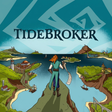
The visual style draws directly from Mediterranean history and shadow theater, presenting dramatic silhouettes against colorful environments, which gives conversations theatrical weight. The art direction is a frequently mentioned strength in early reception, with community praise highlighting the combination of cultural inspiration and distinctive staging. Interface and presentation keep the focus on text and exchanges, matching the game's emphasis on reading, listening, and interpretation.
Is it hard to get started? A deliberate learning curve with long-term stakes
The learning curve favors players who read dialogue closely and track relationships over multiple sessions, because decisions produce long-range consequences rather than instant mechanical feedback. Progress unfolds through shifting alliances and narrative developments instead of level gains or combat upgrades. The developer's decade-long world-building shows in dense lore and layered motivations, which increases replay value for players who revisit different negotiation paths to see alternate political outcomes.
Pros
- Diplomacy replaces combat, centering talk and tactics in every encounter
- Information-as-resource mechanics use letters, books, and overheard secrets
- Mediterranean shadow-theater art gives dialogues theatrical visual weight
- Deep world-building informed by a decade of creative development
Cons
- Pacing demands patience; gameplay progresses through narrative beats rather than rapid action
- Requires careful reading and record-keeping to track long-term consequences
Bottom Line
An inviting recommendation for patient political players
The game is a rewarding pick for players who enjoy slow-burn political drama and careful decision-making, thanks to its dialogue-first design and layered world-building. Players who prefer immediate action or mechanics-driven progression should expect a different tempo and pacing. Given the developer's small four-person team and decade of creative work, the experience favors readers and planners who like to settle into a well-crafted political sandbox.