Used TideBroker for Windows?
Editors’ Review
Navigate a tense peace conference through dialogue, letter analysis, and book investigations during a high-stakes summit after sixty years of bloodshed. Pillartide Studios frames this role-playing title around negotiation rather than combat. Branching faction alliances, investigation of documents, and a Mediterranean shadow-theater art style shape multiple endings, narrative depth, and replay paths across faction perspectives. It's aimed at players who prefer political intrigue, choice-driven storytelling, and slow, text-focused sessions on PC.
What kind of game places an envoy at the center of political maneuvering?
You play a faceless envoy on the Island of Noksell, tasked with steering a fragile peace conference between three rival powers: the Loyalists, the Islanders, and a third power-seeking group. The scenario follows sixty years of conflict, so your role is often one of information broker rather than battlefield commander. Choices you make about whom to trust and which truths to reveal change delegate stances and the conference's possible resolutions.
How do investigation and decision systems interact in practice?
Investigation mechanics require assembling evidence from spoken exchanges, official letters, and historical books and then deciding how to present or withhold that evidence. The game asks you to interpret contradictions, spot rhetorical shifts, and apply those findings when pressing negotiators for concessions. Those interactions branch into different narrative paths, so small evidentiary choices can cascade into major changes in faction alignment and political outcomes.
What does the game look like and how does presentation support the story?
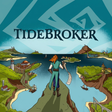
The visual identity borrows from Mediterranean shadow theater, using stylized silhouettes and staged compositions to give conversations a theatrical feel. That art style sets a visual tone unusual for fantasy role-playing, creating an often-oblique stage for intrigue. Visual emphasis on silhouettes and symbolic imagery reinforces the sense of secrecy and interpretation at the heart of each scene.
How much replay value does the title offer and where does its world lead?
Branching storylines tied to faction alliances and personal choices provide clear replay incentives: siding with different groups unlocks alternate endings. The game also seeds deeply interconnected lore intended as the foundation for a planned Craidoras series, so replaying can reveal world details reserved for later entries. A playable demo exists to sample the mechanics before committing to multiple runs.
Pros
- Dialogue and evidence shape political outcomes through investigative choices
- Uses letters and historical books as active investigative tools
- Distinct Mediterranean shadow-theater art style gives the game visual identity
- Branching alliances and endings encourage multiple playthroughs
Cons
- Design centers on diplomacy, limiting appeal to action-oriented players
- Text-heavy investigation requires sustained reading and patient attention
- World-building intent extends across a planned series, leaving some lore reserved
Bottom Line
Who should settle into TideBroker?
Pillartide's four-person team delivers a focused narrative experiment that suits players who favor close, text-heavy political drama and patient reading sessions. A playable demo on Steam helps judge whether the pace and investigative demands match your tastes. Those seeking fast-paced action or immediate spectacle should expect a deliberate, investigative rhythm rather than quick confrontation.