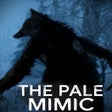
Used The Pale Mimic for Windows?
Editors’ Review
Unlike The Long Dark's open survival sandbox, The Pale Mimic, from Dark Snow Games, is a first-person survival horror that leans on narrative and slow tension rather than open exploration. It tasks players with surviving harsh Alaskan weather while managing resources, tracking prey, and navigating a mounting psychological threat. Key highlights include realistic environmental effects and a psychological focus on fear through sound, aimed at players who prefer atmospheric, story-led horror experiences.
What kind of game is Mimic?
Mimic is a first-person, narrative-driven survival horror that organizes play around a compact survival loop. You track and hunt game to eat and withstand exposure, and environmental hazards shape each outing. The structure centers on measured exploration instead of large-scale base-building, giving each foraging trip narrative weight. This design suits players who appreciate careful decision-making in small, consequential encounters rather than expansive resource micromanagement.
Does it offer multiplayer or cooperative play?
No multiplayer features are present; the experience is single-player with a programmed canine companion named Rocky. The companion AI supports hunting and supplies an emotional anchor, and the single-player focus keeps encounters scripted and tension-controlled. This choice pushes the game toward a directed, story-first pace and places emphasis on one-on-one cat-and-mouse moments between the player and the stalking threat.
What does the game look and sound like?
The visual palette favors bleak, realistic Alaskan environments with weather effects that alter visibility and movement. Sound design plays a central role because the antagonist imitates familiar noises; the mimicry system uses replicated voices and animal calls to deceive you. Audio cues therefore become gameplay signals as well as scares. The game pairs sparse instrumentation with environmental ambience to sustain anxiety rather than relying on sudden shocks. Players attentive to audio detail gain an advantage.
Is it hard to get started, and how long does it hold attention?
Onboarding is grounded in survival basics: tracking, harvesting, and managing warmth and hunger. The pacing is deliberately slow-burn, so early sessions feel methodical rather than frantic. Progression follows a linear narrative arc, which concentrates story beats but reduces sandbox replay incentives. The emotional risk to the dog and the audio deception encourage replay for players who want to test different responses to the predator's voice-based tricks.
Pros
- Sound-based mimicry mechanic creates distinct, audio-driven tension
- Companion AI (Rocky) provides emotional stakes and practical hunting support
- Realistic Alaskan weather and environmental effects enhance atmosphere
Cons
- Linear, single-player structure limits exploration options
- Slow-burn pacing may frustrate players who prefer immediate action
Bottom Line
In summary, a measured horror for patient, story-focused players
Mimic is a focused choice for players who enjoy patient, psychological tension and environmental storytelling rather than fast action. Its single-player, companion-centered design rewards attention to sound cues and small decisions, though players seeking open-ended exploration or rapid combat encounters may prefer a different kind of survival title.