Used Tax-Force for Windows?
Editors’ Review
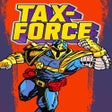
Tax-Force drops players into compact 2D runs where an armed treasury squad chases billionaire evaders while juggling hard policy decisions. The game was made by Outsider Games in the action roguelite category, and it blends narrative choices with procedural runs. Key elements include branching moral decisions and replayable level remixing, presented through a stylized comic-infused presentation. It targets players who like action with consequential choices rather than pure arcade runs.
What kind of game is Tax-Force?
Tax-Force is a 2D narrative action-roguelite that centres on close-quarters combat influenced by a "souls-lite" design and equippable Mutant Powers. Each run rearranges biomes procedurally, so enemy placement, platforming segments, and resource pickups differ between attempts. The combat loop rewards timing and positioning, while powers add temporary tactical options. The game frames a recurring objective of revenue collection inside repeatable runs that change each playthrough.
How does the economic strategy affect gameplay?
The game links collected revenue to tangible in-run effects: reinvestment choices alter level hazards, infrastructure, and service costs. Players decide whether to fund public services or private interests, and those decisions shift healing affordability, criminal activity frequency, and even parts of level geometry. Those choices branch the narrative and affect citizens' fates, so economic strategy functions as both a mechanical modifier and a moral engine that changes subsequent runs.
Is it hard to get started?
The combat demands precise melee timing and awareness of enemy patterns, while Mutant Powers change how encounters open up. Progression ties into a looping structure that layers urgency onto run-to-run advancement, requiring players to balance short-term survival and longer-term reinvestment. Prototype feedback mentioned technical bugs and some combat choppiness, which can raise the entry barrier until those issues are addressed.
What does the game look and feel like on PC?
The game ships for Windows and includes full controller support, including Xbox controllers, so it plays well on a gamepad. The interface centers on quick access to equipped powers and a simple HUD for currency and objectives. Audio and ambient cues underscore political beats, and procedural remixing keeps encounters feeling fresh even when level layouts repeat across sessions.
Pros
- Unique tax-collection premise ties gameplay to moral choices
- Economic reinvestment changes level hazards and infrastructure
- Procedurally remixed biomes ensure different runs each playthrough
Cons
- Prototype feedback reported technical bugs and combat choppiness
- Melee-focused combat demands precise timing from the start
Bottom Line
An inviting pick for players who enjoy idea-driven roguelites, with a caveat
Early demo responses praised the concept and worldbuilding but flagged technical bugs and reported combat choppiness in prototype builds. Players drawn to indie experiments that mix mechanics with moral choices may enjoy the game's premise and systems if they tolerate rough edges. Those who expect a highly polished melee feel should take the reports of prototype instability into account before committing time.