Used iOS 27 Launcher - iPhone 17 for Android?
Editors’ Review
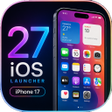
iOS 27 Launcher - iPhone 17 turns an Android home screen into an iOS-style interface, aimed at users who prefer Apple's design. Developed by Nasim Alsharq LLC, the launcher replaces the default home and lock screens and recreates iOS navigation metaphors. It provides Liquid Glass visuals, an integrated Control Center, widgets, Dynamic Island overlays, Smart Search, and an App Library for automatic categorization. The app targets Android personalization enthusiasts and former iPhone users seeking an Apple-like UI without changing hardware.
How deeply does the launcher integrate with the Android system?
The tool runs as a layered launcher over the existing Android environment, presenting replacement home and lock screens without changing system binaries. It uses overlay windows and maps installed apps to a themed grid, so app execution remains under Android control. Uninstalling the launcher reverts the interface, and most settings and icon customizations are stored within the app rather than written into system files.
How might it affect performance and battery life?
Because the app relies on persistent overlays and animated translucency, it runs continuous services that draw frames to the display when active. Those animations and overlay redraws increase CPU and GPU demand during interaction, so older or low-power devices may show higher battery drain. The developer limits compatibility to modern Android releases to reduce failures tied to Accessibility APIs and overlay behavior differences.
Is granting Accessibility permissions safe for this launcher?
Nasim Alsharq states the app uses Accessibility permissions solely to enable UI overlays and widget behaviors and that personal user data is not collected, with transit encryption applied. Those design claims address privacy intent, but user feedback highlights that full functionality requires extensive permissions. Users should inspect the permission list and the developer's privacy disclosure before enabling high-privilege access.
Do I need technical knowledge to configure and maintain it?
The launcher provides quick presets and an automatic app-sorting feature that suit casual users, while advanced personalization, such as icon replacement, renaming, and grid editing, requires hands-on adjustments and permission grants. Nasim Alsharq's focus on personalization utilities suggests the app targets tinkerers; users who prefer minimal setup can apply defaults, and power users can allocate time to tune icons and layouts to taste.
Pros
- Glassmorphism visuals with translucent widgets and animated effects
- Integrated Control Center and Assistive Touch emulation
- App Library automatically categorizes installed applications
- Developer states no personal data collection; transit encryption noted
Cons
- Requires Accessibility Service permissions for full functionality
- User reports cite integrated advertisements during use
- Animated overlays and effects can increase CPU or battery use
Bottom Line
Suited for personalization enthusiasts who accept permission and ad trade-offs
The launcher is best suited to Android personalization enthusiasts who accept a permissions-heavy, ad-supported experience in exchange for an Apple-like interface. Review the developer's privacy disclosure to confirm the stated data practices, and enable only the app modules you plan to use. Test visual changes in a short session and back up launcher settings if an export option exists. Recommended.
Used iOS 27 Launcher - iPhone 17 for Android?