Used Ghost Villa for Mac?
Editors’ Review
Ghost Villa, from Claudio Norori, places the player in a haunted villa where daytime resource work supports nighttime survival. The game combines first-person shooting, base-building tower defense, and light farming into a round-based survival loop that alternates management and combat. It features a dynamic season system, cooking-based power-ups, and a roguelike upgrade web. The title targets indie-action players who enjoy short combat bursts paired with strategic, replayable progression.
How the seasonal system reshapes each run
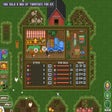
Inside the villa, four distinct seasons change available crops, enemy behaviors, and map geometry. Seasons supply different vegetables that convert into character power-ups via cooking, altering the value of specific harvests across runs. Environmental hazards and seasonal timing force shifting planting and collection priorities. That cadence encourages adapting planting choices and base placement instead of repeating a single routine.
How combat and base-building compete for attention
In this game, daytime construction and trap placement directly affect nightly outcomes. Players place defensive structures and traps to funnel spectral hordes into kill zones while preserving chokepoints for effective shooting. Combat unfolds in round-based waves that escalate enemy strength, so layered defenses and active aim both matter. The result is a hybrid encounter loop where planning and in-the-moment shooting determine survival.
What the game looks and controls like
When you move through the villa, stylized high-contrast 3D visuals frame the haunted-house setting with clear enemy silhouettes for readability during hectic waves. The FPS component responds tightly to input, and the title supports DualShock and DualSense controllers as an alternative to mouse and keyboard. Recommended hardware lists a Core i7 processor and 8GB of RAM for smooth desktop performance under heavier scenes.
Is the progression worth repeating?
You progress through a roguelike, deck-building approach that randomizes upgrades and run modifiers, encouraging new combinations each attempt. The playable demo exposes the core loop and the developer actively collects player feedback in Early Access development. However, the demo sample limits how far the upgrade web can be explored, so the depth of late-run options depends on additional content delivered in the full release.
Pros
- Uncommon FPS–tower-defense–farming hybrid creates varied gameplay loops
- Four-season system forces strategic adaptation each run
- Deck-building roguelike progression increases run-to-run variety
- Supports DualShock and DualSense controllers
Cons
- Demo limits access to full upgrade web and late-run content
- Recommended Core i7 and 8GB RAM raises performance needs
- Early Access development means mechanics may change during development
Bottom Line
Who benefits most from Ghost Villa
Ghost Villa is a good fit for players who appreciate mixing fast action with strategic upkeep, provided they accept the demo and Early Access context. Expect balance adjustments and added content as the developer incorporates community feedback during early development. Players comfortable with evolving indie projects and experimental genre blends are most likely to find long-term appeal.