Used Bunderkin: The Ocular Eclipse for Windows?
Editors’ Review
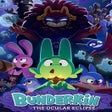
Bunderkin: The Ocular Eclipse, from Studio Zubio, casts you as Beedee the Bunderdragon on a three-day repeating mystery to stop parasitic Oculi. It combines stealth movement, environmental puzzles, and cause-and-effect problem solving as the town shifts through festival preparations into crisis. Key elements include enchanted masks, upgradable gadgets, and evolving world states that alter objectives. The title targets indie-adventure fans and stealth-puzzle players who favor deliberate, knowledge-driven exploration.
What kind of game is Bunderkin?
Bunderkin is a puzzle-heavy stealth action-adventure built around cyclical investigation and environmental logic. You observe NPC schedules, notice state changes across cycles, and apply deductions to unlock new paths. The narrative frames those mechanics: you play an outcast in Bunder Hollow trying to stop body-snatching parasites called the Oculi. Progression depends on learning how the town reacts to your interventions rather than gaining raw combat power.
Does Bunderkin ask you to solve problems alone or with others?
The design centers on solitary sleuthing, leaning into stealth tactics like tall grass, crawling, and environmental distractions to avoid coppers. Tools such as a slingshot, enchanted masks, and upgradable gear change traversal and concealment options, so most challenges reward observation and gadget use instead of direct confrontation. The experience reads as single-player investigation rather than team-based or online competition.
What does the game look and sound like?
The aesthetic is deliberately "eerie-cheery," pairing whimsical character models with an undercurrent of dread as the festival gives way to a creeping apocalypse. The stylized 3D visuals echo early 2000s console charm, drawing inspiration from titles noted for playful worlds. Audio shifts to match world states, from upbeat festival sounds to tense motifs that heighten stealth sections. Lore ties to an originating animated-series concept give the cast a distinctive personality.
Is it hard to get started, and what keeps you playing?
Onboarding asks you to internalize schedules and cause-effect relationships, so initial sessions lean toward learning and note-taking. Replay value comes from the interconnected world states and the way knowledge functions as currency between loops; new masks and gear open alternate routes. A playable demo on Steam lets curious players test the learning curve before committing, and the game’s Kickstarter and event demo presence reflect active community interest.
Pros
- Knowledge-based loop makes discoveries meaningful
- Enchanted masks and upgradable gear diversify stealth options
- Eerie-cheery 3D style blends whimsy with darker themes
- Playable demo available on Steam events
Cons
- Progression relies heavily on memorizing schedules
- Stealth focus may frustrate action-oriented players
- Single-player investigation lacks multiplayer options
Bottom Line
A rewarding mystery best suited to patient, observant players
For those who like unraveling layered puzzles and learning a living map by doing, Bunderkin proves absorbing and deliberate. The game asks for attention and memory rather than twitch reflexes, so it suits players who enjoy careful planning and investigation; it is less appealing to someone seeking nonstop action. Ultimately, it recommends itself to mystery seekers who appreciate slow-burn discovery and characterful worldbuilding.
Used Bunderkin: The Ocular Eclipse for Windows?